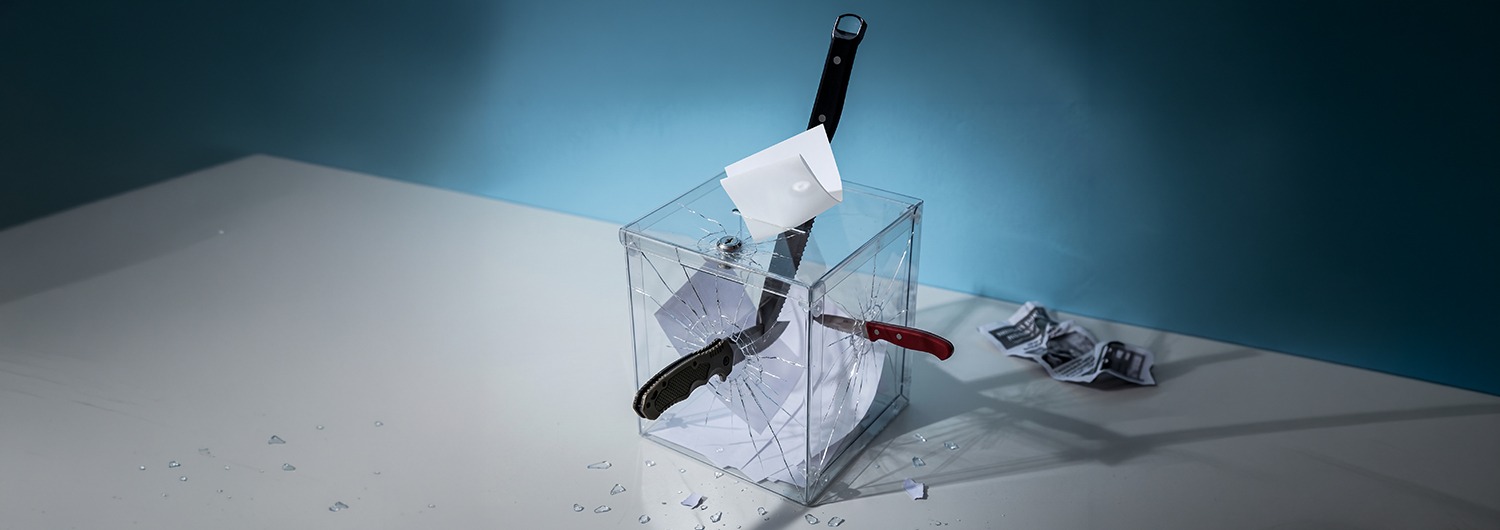
Three weeks before an election that will shape the country until 2030—at least!—the outgoing majority is tearing itself apart over the ownership of a dozen or so elected officials, the opposition is rekindling its old feuds, and the parties are digging up their political ghosts. One question remains, however, and no one seems particularly eager to ask it: whatever happened to the programme?
Do we really need to reread what His Majesty King Mohammed VI said in Tetouan on July 29? That the Kingdom’s economic and social achievements “transcend government and parliamentary terms,” that they are the result of a cumulative dynamic built up over years and not the record of any single executive. The sentence named no one, which is precisely what made it so clear. On the eve of an election, it sets the record straight on attempts at political appropriation. The Sovereign was careful to add the terms of reference for the next government: preserve the achievements and pursue far-reaching reforms.
A month later, the spectacle has shifted into another register. On August 25, the RNI’s political bureau issued a statement of unprecedented harshness between government allies, denouncing pressure on its elected representatives, naming eight of them and pointing the finger at the PAM. A few hours later, a recording attributed to Rachid Talbi Alami, Speaker of the House of Representatives, began circulating, mocking the idea of applying FIFA rules to politics and vowing that Fouzi Lekjaa would not get the Finance Ministry. The following day, the PAM convened its bureau for an emergency meeting and reminded its ally of 2021, when the RNI fielded more than seventeen parliamentarians who had come from five different parties, including six from the Tractor. On the 27th, in Oulad Nasser, Lekjaa hit back, declaring that “the real terrorists” were those who had turned the joy of Eid into anxiety, with red meat still out of reach at 150 or 160 dirhams per kilo. The heaviest word in Morocco’s political vocabulary, dropped like a bomb by a serving Budget Minister.
And yet, five years is precisely how long these two parties governed together, voted for the same Finance Acts and defended the same record. Now they are convening emergency meetings of their governing bodies to quarrel over the ownership of a dozen or so local powerbrokers. Abel and Cain had no dispute other than divine favour; here, the motive is rather more prosaic, and it has a name: the premiership.
Meanwhile, Abdelilah Benkirane is doing what he does best: fanning the flames. A seasoned practitioner of the art, he has the routine down to perfection: brushing up against the red line without ever quite crossing it, plain speaking standing in for a programme and the affection of the people for a record. But the most revealing detail lies elsewhere: the Lampe’s pyromaniac will not himself be a candidate. He starts the fire and leaves the room, leaving others to deal with the blaze.
The others are hardly doing any better. On August 19 in Fez, the Popular Movement officially welcomed Hamid Chabat into its ranks. At seventy-three, the former secretary-general of the Istiqlal Party and former mayor of the city then saw his daughter placed at the head of the party list in Fez-North. Elsewhere, some prefer to stage displays of solemn remembrance, with cameras and lapel microphones summoned as witnesses to a sudden burst of piety before the graves of party founders.
Meanwhile, more than 18 million voters are being called to the polls on September 23. Household purchasing power remains under strain, and the wholesale price of lamb has risen from 58 dirhams per kilo in the spring of 2020 to 140 dirhams in August 2026. Healthcare and education remain the two blind spots of any national conversation. Unemployment and the discouragement of a large part of the country’s youth have received no answer, and the Gen Z episode has apparently taught no one anything. Voters would be entitled to expect commitments, costed proposals and clearly assumed policy choices, even if promises bind only those who believe them. Instead, anathemas and ad hominem attacks have taken over the electoral debate.
Amid all this noise, no honest assessment is possible, no accountability is discernible, and no programme, however serious, can stand out. The comments circulating on social media—disillusioned, cynical and often savage—say enough about what the ballot box may ultimately confirm. Not anger, which would at least still be a sign of life, but a profound indifference towards a political class perceived as a caste whose privileges far exceed its achievements.
And yet, perhaps there is still room for hope, because all of this unfolded over just a few days at the end of August, between two press releases and a leaked recording. Officially, the election campaign has not even begun. It starts on September 10.
Can’t wait!
Zouhair Yata